A quality craftsman tools set is the backbone of any DIY project, whether you’re hanging drywall, assembling furniture, or fixing a leaky faucet. But with so many options flooding the market, it’s easy to overspend on tools you’ll never use or skimp on durability and end up frustrated. The right set strikes a balance between affordability, reliability, and the specific projects you actually plan to tackle. This guide walks you through what makes a craftsman tools set worth your money, which essentials matter most, and how to choose the right one for your skill level and workspace.
Table of Contents
ToggleKey Takeaways
- A quality craftsman tools set prioritizes durability and smart curation over piece count—a focused 50-piece set with the right tools often outperforms a bloated 200-piece alternative.
- Essential hand tools every DIY enthusiast needs include a hammer, quality screwdrivers (Phillips and slotted), wrenches, tape measure, and level, which cover roughly 80% of light repair and assembly work.
- Choose a craftsman tools set based on your skill level and planned projects: beginners should expect $40–$80 for basic sets, intermediate DIYers $100–$250, and advanced users $250–$600 for professional-grade collections.
- Proper storage and organization—such as toolboxes, pegboards, or labeled drawers—keep your craftsman tools set accessible and prevent costly duplicate purchases.
- Regular maintenance like cleaning, light oiling, proper usage, and dry storage can extend your craftsman tools set’s lifespan for decades while preventing rust and damage.
What Makes a Quality Craftsman Tools Set Worth the Investment
A good craftsman tools set isn’t just about having lots of tools, it’s about having the right tools made from dependable materials. Look for sets with forged steel construction, hardened alloy heads, and comfortable, non-slip grips. Budget sets often skimp on handle ergonomics and material quality, leaving your hands sore after an hour of work and your wrench breaking mid-job.
Durability matters more than novelty. A craftsman tools set from a reputable manufacturer typically includes a warranty or lifetime guarantee, which signals the maker’s confidence in their product. Compare this to clearance-bin sets with no backing, you’re paying for peace of mind and longevity.
Consider also what’s included. A bloated 200-piece set might sound impressive, but if half the bits are sizes you’ll never need, you’re paying for clutter. A focused 50-piece set with the exact screwdrivers, wrenches, and sockets for your projects often outperforms a bloated alternative. Quality materials and smart curating beat sheer piece count every time.
Essential Hand Tools Every DIY Enthusiast Needs
Before diving into specialty tools, every home workshop needs a solid foundation of hand tools. These are the workhorses you’ll reach for again and again, so invest in durable pieces that feel good in your hand.
Hammers, Screwdrivers, and Wrenches
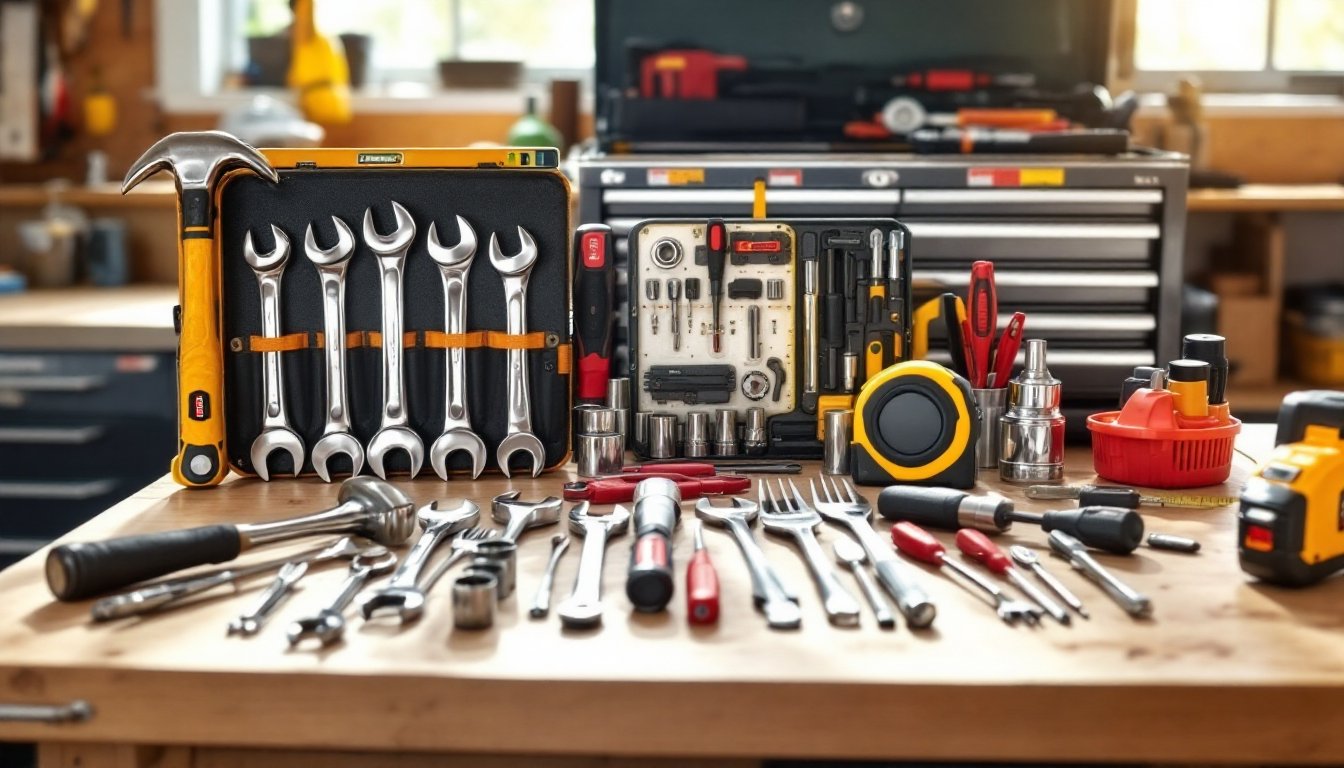
A claw hammer (16 oz is the sweet spot for general work) is non-negotiable. Pair it with a good rubber or fiberglass handle to absorb impact and reduce fatigue. You’ll also want a second hammer, a small rubber mallet for light striking without marring surfaces.
Screwdrivers come in two main types: Phillips head (the X-shaped tip) and slotted (the flat blade). Don’t cheap out here. A flimsy screwdriver strips screw heads in seconds and won’t drive fasteners straight. Look for sets with molded, cushioned handles and hardened tips. Magnetic tips save frustration when working overhead or in tight spaces.
Wrenches should be sized for the bolts you actually own. A basic craftsman tools set typically includes common SAE sizes (1/4″, 3/8″, 1/2″, etc.) plus metric equivalents if you work on imported equipment. Adjustable wrenches are handy backup tools, but avoid relying on them for tight, high-torque jobs, they can slip and strip bolt heads.
A tape measure (25 ft is standard), torpedo level (2 ft for most projects), and adjustable wrench round out the core essentials. These three alone prevent dozens of costly mistakes: measuring twice, checking plumb and level, and tightening bolts without mangling them. Real DIYers reach for these items weekly, so spend the extra cash on accuracy and durability.
Tools like socket sets and ratchet wrenches have become standard in professional-grade craftsman tools sets and are worth the upgrade if you work on machinery or complex fastening jobs.
Choosing the Right Craftsman Set for Your Home Projects
Not every project demands the same toolkit. A picture-hanging job needs different tools than replacing a cabinet hinge, so match your set to your likely workload.
Beginner vs. Advanced Sets: Finding Your Level
A beginner craftsman tools set should include the basics: hammer, screwdrivers (both Phillips and slotted), adjustable wrench, tape measure, and level. These five categories cover roughly 80% of light repair and assembly work. Expect to spend $40–$80 for a decent beginner set from a trusted brand. Skip the “complete 100-piece” bins marketed to casual users: they’re mostly padding.
Intermediate DIYers tackling furniture assembly, trim work, and minor plumbing repairs benefit from a fuller toolkit. Add a rubber mallet, nut drivers, multiple wrench sizes, a torpedo level, and a claw pry bar. This is where a Basic Home Tool Kit becomes practical, you’re looking at $100–$250 and getting items you’ll genuinely use.
Advanced craftsman tools sets cater to serious DIYers or trade workers: multiple hammers, complete SAE and metric socket sets, nut drivers in every size, good ratchets, and accessories like hex keys and bit holders. These run $250–$600, but the durability and precision justify the cost if you’re remodeling, building furniture, or doing frequent repairs.
Before buying, think through your next 12 months. Are you hanging shelves and assembling IKEA cabinets? Or are you replacing door frames, installing cabinets, and running electrical? Your answer determines whether you need a starter set or something more robust. Honest self-assessment saves money and storage headaches. Many DIYers accumulate tools over time, so don’t feel pressured to buy the “complete” set upfront. Instead, starting with Tool Sets that unlock DIY success lets you grow your collection as projects demand.
Storage and Organization Solutions for Your Tools
A craftsman tools set is useless if you can’t find the right screwdriver when you need it. Storage and organization aren’t glamorous, but they’re essential.
Options range from simple to sophisticated. A lockable toolbox (metal or hard plastic) works for beginners, affordable, portable, and weatherproof. A pegboard with hooks and bins suits small workshops, keeping frequently used items visible and within arm’s reach. Wall-mounted magnetic strips hold metal tools securely and look clean.
For serious collections, a rolling tool cabinet with drawers protects high-value items and keeps them organized by type: drivers in one drawer, wrenches in another, fasteners in bins. The drawback? Cost ($150–$500) and space requirements.
Regardless of format, label everything. A small label maker or even a Sharpie prevents you from buying duplicate tools and saves you 10 minutes of digging per project. Keep related items together: all screwdriver bits in one pouch, metric sockets grouped by size. This sounds obvious, but most DIYers learn this lesson after three tool-hunting sessions.
Environmentally, moisture is your craftsman tools set’s enemy. Store tools in a dry spot (not a damp garage corner) to prevent rust. A silica gel packet or moisture absorber in your storage box extends tool life significantly.
Maintaining and Extending the Life of Your Craftsman Tools
A well-maintained craftsman tools set can outlast you. Neglect it, and you’ll be replacing rusted wrenches and chipped hammer heads within years.
Cleaning is foundational. After each project, wipe down metal tools with a dry cloth to remove sawdust, plaster, or dirt. A wire brush tackles stubborn debris. Every few months, wipe metal surfaces with a light coat of machine oil (WD-40 works, but 3-in-1 oil is gentler on your hands). This prevents rust and keeps hinges and ratchets moving smoothly.
Proper usage extends life. Don’t use a wrench as a hammer or a screwdriver as a pry bar, it seems convenient in the moment, but it stresses the tool beyond design limits. Use the right tool for the job, even if it means a 30-second detour to the toolbox.
Replacement parts are worth knowing about. Many quality manufacturers (including Craftsman) sell replacement handles, grips, and specialized heads so you can repair a favorite tool instead of scrapping it. This is another reason to favor established brands: spare parts are actually available.
Seasonal storage matters if your workshop is in an unheated garage or shed. Cold temperatures don’t harm tools, but temperature swings and humidity do. Store your craftsman tools set inside during winter if possible, or in a climate-controlled corner.
Resources like Family Handyman’s tool maintenance guides offer detailed care tips for specific tool categories. Following basic upkeep ensures your investment stays sharp and reliable for decades. Simple habits, cleaning, proper use, dry storage, cost nothing but time and pay enormous dividends.