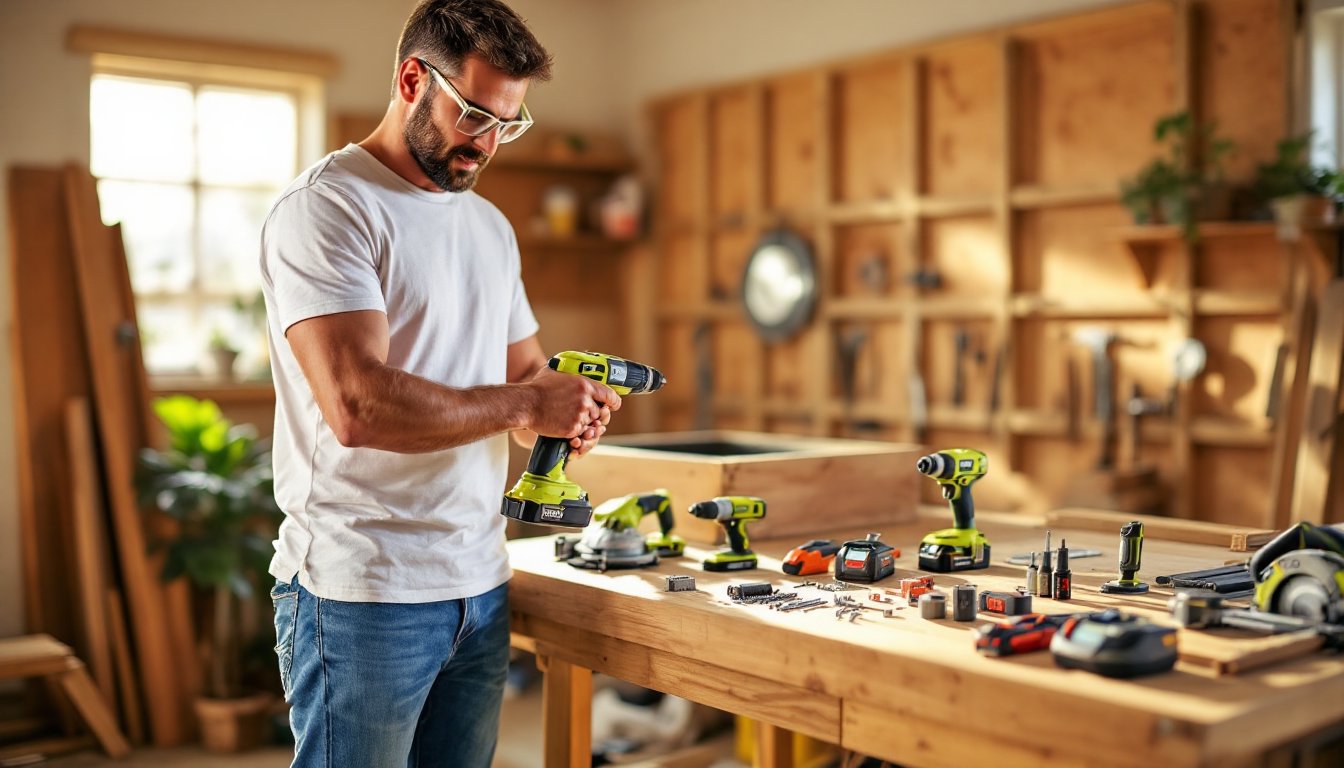
If you’ve wandered through a big-box home improvement store lately, you’ve probably spotted Ryobi’s bright lime-green power tools. They’re everywhere, drill-drivers, saws, impact drivers, and a mountain of accessories. But here’s the question most DIYers ask: are Ryobi tools actually good, or is the low price tag hiding serious shortcuts? The honest answer: Ryobi has carved out a legitimate place in the home improvement world, especially for homeowners tackling weekend projects, minor renovations, and backyard work. They’re not professional-grade equipment, but they’re built solidly enough for occasional use and deliver respectable performance at a price that won’t drain your budget. This review cuts through the marketing and gives you the real picture based on how Ryobi tools perform in the hands of actual DIYers.
Table of Contents
ToggleKey Takeaways
- Ryobi tools deliver solid performance and excellent affordability for homeowners and casual DIYers tackling weekend projects, seasonal work, and minor renovations—making them a practical choice over premium brands for occasional use.
- The One+ 18V battery ecosystem covers 100+ tools, allowing you to invest in one battery and charger system that works across drills, saws, impact drivers, and more, eliminating the need to manage multiple battery types.
- Ryobi’s durability typically lasts 3–5 years of casual use, with plastic components like chucks wearing faster than professional-grade alternatives, but real-world feedback shows most tools survive a decade of light-to-moderate use without major failure.
- Expect to spend $80–$130 for a Ryobi drill-driver combo kit versus $200–$300 for equivalent DeWalt or Makita kits, making Ryobi an affordable entry point if you’re building a starter toolkit from scratch.
- Impact drivers are Ryobi’s strongest performers and last longer than drills, while specialty tools like sanders and grinders underperform compared to dedicated professional equipment.
- Set realistic expectations: Ryobi tools excel at homeowner tasks like drilling, fastening, and basic sawing, but struggle under sustained heavy-duty use, sustained heavy-duty use, and won’t match the durability of contractor-grade alternatives.
Who Ryobi Tools Are Best For
Ryobi tools are purpose-built for homeowners and casual DIYers, not full-time contractors or professional construction crews. If you’re hanging shelves, building a raised garden bed, assembling furniture, or tackling occasional home maintenance, Ryobi equipment will get the job done without very costly.
They’re ideal for someone who picks up a drill a few times a year rather than daily. A contractor running a drill 40 hours a week on a job site will hit durability limits faster, and that’s by design, Ryobi knows their market segment. Hobbyists planning a multi-weekend bathroom remodel or fence project will find Ryobi tools more than adequate. The brand also makes sense if you’re building a workshop toolkit from scratch: you can buy multiple tools and batteries for less than a single high-end cordless drill from a premium brand.
Families interested in teaching kids basic woodworking or tool skills often choose Ryobi because mistakes are less expensive and the tool weight and power output suit younger users. Similarly, older homeowners or anyone with limited strength often appreciate the lighter ergonomic design compared to heavier professional-grade alternatives.
Build Quality and Durability
Ryobi drills and saws don’t use metal gearboxes and industrial bearings, that’s not a secret or a flaw, it’s a design choice. The plastic housings and composite materials keep weight and cost down while still handling typical household projects. Expect 3–5 years of casual use before you might see issues like battery connector wear or chuck slippage on cheaper models.
The 18V One+ system (Ryobi’s main cordless platform) has proven reliable across thousands of user reviews. Gearboxes generally hold up well for standard drilling and driving tasks. Motors stay cool and don’t burn out on light-to-medium work. But, sustained heavy-duty tasks, running a reciprocating saw through hardwood for hours, or drilling dozens of holes in concrete, will stress these tools faster than commercial-grade equipment.
Plastic chucks are a weak point. Many Ryobi users report chuck wobble after two or three years, especially on frequently used drills. Upgrading to a keyed metal chuck or replacing the tool is sometimes more practical than repair. Compared to DeWalt or Milwaukee, Ryobi’s durability is a step down, but compared to bottom-shelf discount brands, it’s solid. Real-world feedback from homeowners shows most Ryobi tools survive a decade of light-to-moderate use without major failure.
Performance Across Tool Types
Ryobi’s cordless drill-drivers are workhorses for basic fastening and light drilling. The torque output is respectable, typically 300–400 in-lbs on compact models, which handles drywall, deck screwing, and foundation boring without strain. They’re not underpowered for homeowner work. Bit runout and chuck precision are acceptable: you won’t see professional-level concentricity, but DIY holes are clean enough.
Their circular saws and miter saws produce straight cuts for framing, deck building, and trim work. Blade quality matters more than motor power here, and Ryobi’s included blades are basic: upgrading to a quality aftermarket blade improves cut quality noticeably. The saws track true and handle pine, plywood, and hardwood without binding when blade selection is right.
Impact drivers are genuinely strong performers. The rotational impulses transfer power efficiently to fasteners, so you can drive larger screws and anchor bolts without the tool laboring. Users report impact drivers lasting well beyond drills in the Ryobi lineup, possibly because impact motion is inherently gentler on gearboxes than constant rotational load.
Where Ryobi struggles: sanders, grinders, and specialty tools. Orbital sanders lack the precision and finish quality of heavier industrial models, and random-orbit sanders sometimes leave swirl marks on fine furniture. Angle grinders are underpowered for aggressive metalwork. These niche tools work for occasional tasks but can’t compete with dedicated professional equipment. Budget for quality brand-name sanders if you’re finishing hardwood flooring.
Battery System and Convenience
The One+ system is Ryobi’s selling point. Buy one 18V battery and charger, and it works across 100+ tools. You can buy a second drill head, a saw blade, a router bit, and a light, all on the same battery ecosystem. That interchangeability saves money and space compared to managing separate batteries for separate brands.
Batteries hold charge reasonably well. A 4.0 Ah lithium battery on the shelf for two weeks will retain 80–90% capacity, much better than older nickel-cadmium tech. Charge times are moderate, 30 minutes for fast chargers, up to 2 hours on standard chargers. For a homeowner with one or two batteries, you’ll rarely wait long between projects.
Capacity matters, though. A 2.0 Ah battery gets you 15–20 minutes of moderate drilling before depletion. A 5.0 Ah battery extends that to 45–60 minutes and costs more upfront but provides better runtime on bigger projects. If you’re driving 200 fasteners in one session, grab a higher-capacity battery beforehand.
Battery degradation is gradual. After 500 charge cycles (2–3 years of regular use), expect 10–15% capacity loss. After 1,000 cycles, some users notice 25% decline. Ryobi warranties lithium batteries for three years, and replacements are affordable compared to premium brands. Overall, the One+ system convenience justifies choosing Ryobi for many homeowners, the ecosystem locks you in, but affordably.
Price Value and Cost Comparison
This is where Ryobi wins decisively. A 18V drill-driver combo kit (drill, impact driver, two batteries, charger) costs $80–$130. The same kit from DeWalt or Makita starts at $200–$300. Over a multi-tool collection, that gap compounds. You can buy a drill, circular saw, miter saw, and reciprocating saw from Ryobi for what a single premium drill costs.
For homeowners buying tools they’ll use occasionally, Ryobi’s pricing means you don’t overinvest in equipment. A $70 tool used four times a year is reasonable risk. A $400 tool gathering dust in the garage is not. That logic drives Ryobi sales and keeps customer satisfaction high within the segment.
But, cost-per-use matters. If you’re tackling serious renovation work, gutting a bathroom, building a deck, framing additions, heavy use compresses Ryobi’s cost advantage. A tool that fails after 300 hours versus 1,000 hours costs more in real terms, even at a lower sticker price. Professional contractors factor tool lifespan into hourly rates: homeowners often don’t. A second Ryobi drill at $90 is cheaper than one Milwaukee at $400, but the Milwaukee lasts three times longer under constant load.
Special offers and bundling further sweeten Ryobi deals. Retail chains frequently bundle batteries with tools or discount kits when purchasing multiple items. Loyalty programs offer discounts on future purchases. On pure dollars-per-tool basis, Ryobi beats most competitors.
Real Pros and Cons for DIY Projects
Pros:
• Affordable entry point for DIYers without existing tool collections
• One+ battery ecosystem covers 100+ tools: you’re not locked into multiple battery types
• Lightweight and ergonomic design suits diverse users
• Solid performance on common homeowner tasks (drilling, fastening, basic sawing)
• Good availability and easy returns at big-box retailers
• Respectable 3-year warranty on tools and batteries
Cons:
• Plastic components wear faster than metal: chucks and housings degrade with heavy use
• Included blades and bits are entry-level: you’ll upgrade for quality results
• Specialty tools (sanders, grinders) underperform versus dedicated brands
• Motor power is adequate but not robust: sustained heavy-duty use causes premature fatigue
• Resale value is low: older Ryobi tools don’t hold value on the used market
• Battery connector wear is common after 2–3 years of heavy charging cycles
Ryobi tools rarely disappoint homeowners whose expectations align with the product segment. Issues arise when people buy them for heavy contractor work or expect them to match premium durability. Set realistic expectations: these are weekend warrior tools, not professional equipment. They excel at that mission.
Conclusion
Are Ryobi tools any good? Yes, for the right user. They deliver solid performance, excellent affordability, and genuine convenience through the One+ battery ecosystem. Homeowners tackling occasional projects, learning woodworking, or building a starter toolkit will find real value. Recent reviews from sites like Popular Mechanics consistently validate Ryobi’s performance in practical scenarios.
They’re not professional-grade, and they won’t outlast premium brands under abuse. But for most DIY applications, hanging shelves, assembling furniture, seasonal outdoor work, light renovations, Ryobi tools punch well above their price point. If you’re serious about long-term, heavy-duty work, DeWalt, Milwaukee, or Makita make sense. For everyone else, grab a Ryobi kit and start building.