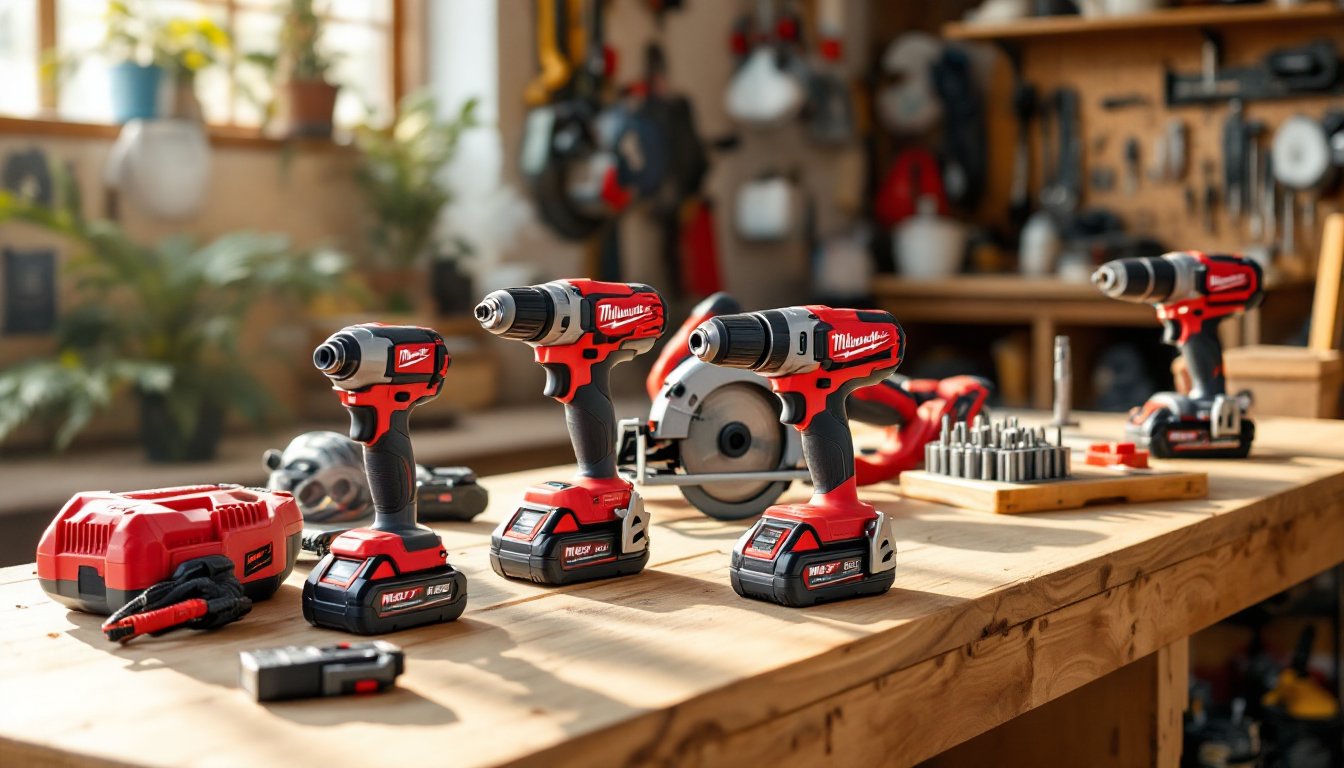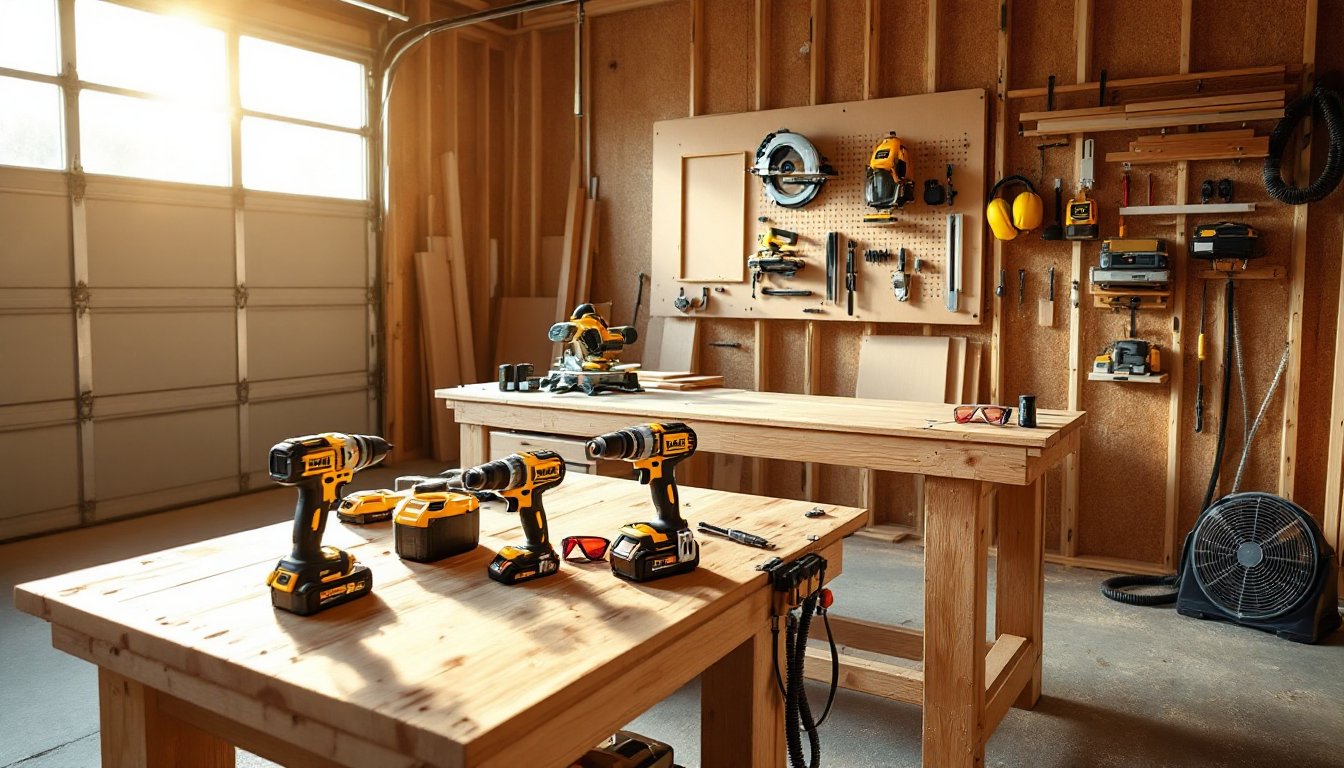
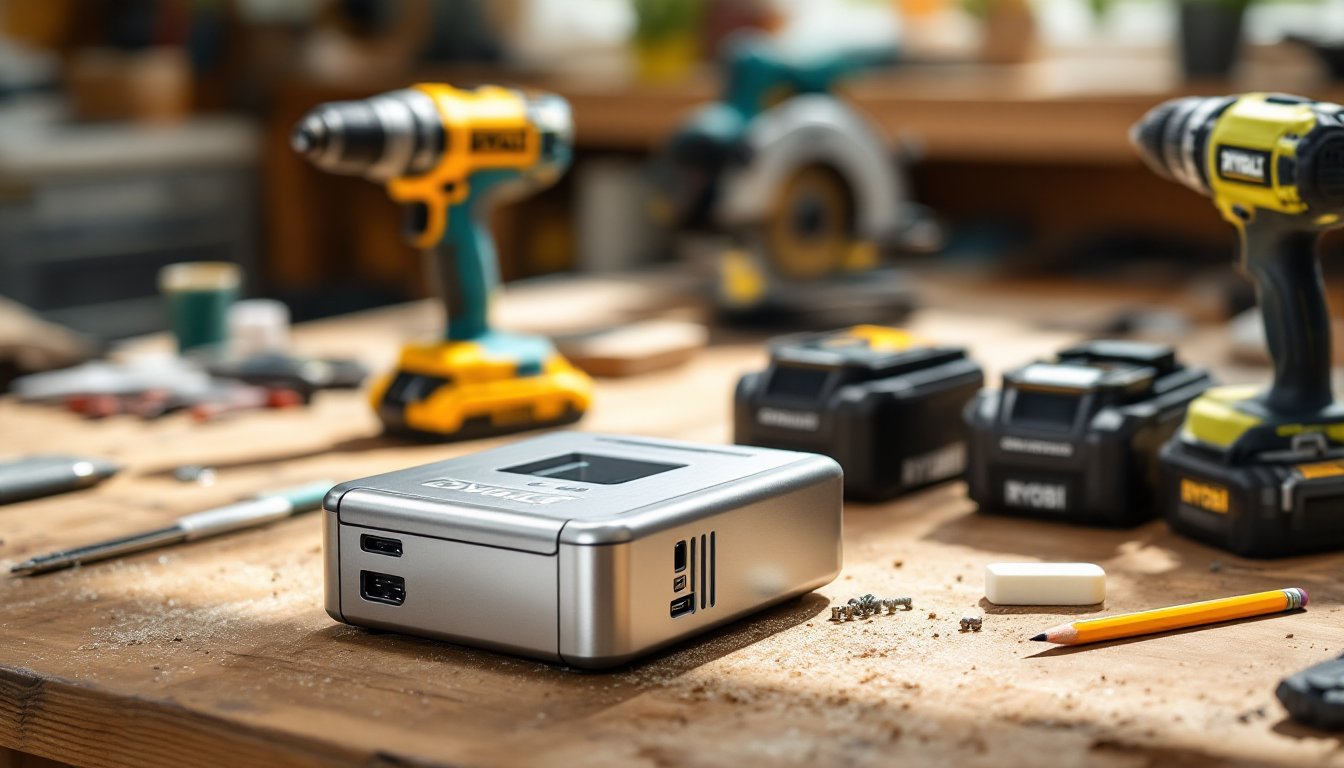
If you’ve got a workbench full of power tools from different manufacturers, you’ve probably hit the same frustration: a perfectly good battery from one brand won’t fit another brand’s drill. That’s where battery adapters come in. A quality battery adapter bridges the gap between your existing batteries and tools, letting you use the same battery pack across multiple devices without replacing your entire collection. For homeowners and DIY enthusiasts working on everything from deck building to furniture assembly, understanding how battery adapters work, and which one suits your workshop, can save both money and frustration. This guide walks you through the essentials of selecting, installing, and using battery adapters safely and effectively.
Table of Contents
ToggleKey Takeaways
- A battery adapter for power tools bridges voltage and connector gaps between different tool brands, eliminating the need to buy duplicate batteries and saving DIYers $15–$40 per adapter versus $50–$150 per battery.
- Voltage compatibility is non-negotiable—mismatched voltages can damage equipment, so verify your battery’s exact voltage and model number before selecting an adapter.
- Active electronic adapters ($30–$50) offer superior safety with thermal protection and voltage regulation, making them ideal for regularly mixing different tool brands compared to cheaper passive adapters.
- Quality indicators include solid metal construction, built-in thermal fuses, clear compatibility specifications, and warranty coverage—signs that separate reliable adapters from risky budget options.
- Proper installation requires cleaning battery contacts, inspecting the adapter for damage, connecting the battery to the adapter first, and monitoring temperature during initial use to prevent shorts or overheating.
- OEM (Original Equipment Manufacturer) adapters from brands like DeWalt or Makita are pricier but guarantee full compatibility and warranty support for professional or frequent cross-brand workshop use.
What Is a Battery Adapter and Why It Matters for Your Workshop
A battery adapter (also called a battery converter or cross-platform adapter) is a mechanical or electronic device that lets you use a battery pack from one tool brand on another brand’s tools. Think of it as a universal translator for your power tool ecosystem. The adapter connects your existing battery to a tool designed for a different battery system, eliminating the need to buy duplicate batteries for every new tool.
Why does this matter? Most power tool batteries aren’t interchangeable across brands, a DeWalt battery won’t fit a Makita drill out of the box, and a Milwaukee battery won’t work with a Festool tool. If you’ve invested in a full set of Ryobi batteries, switching to another brand means buying all-new batteries for each new tool. A good adapter keeps your investment intact and reduces clutter in your workshop.
For DIYers, battery adapters solve a real problem: cost. High-quality batteries run $50 to $150 each, and you’d need multiple packs if you work extensively. An adapter costs $15 to $40 and lets you leverage what you already own. Contractors working multiple platforms find adapters essential for keeping jobs moving without equipment juggling.
That said, adapters aren’t magic. They have limits, voltage mismatches can damage tools, and some adapters reduce performance. Choosing the right one requires understanding your specific batteries and tools.
Key Compatibility Factors When Selecting a Battery Adapter
Matching Voltage and Battery Platform Requirements
Voltage compatibility is non-negotiable. Power tool batteries come in standard voltages: 12V, 18V, 20V, and 24V are most common. An 18V adapter won’t safely work with a 20V tool, it’ll either underperform or fail to connect. Check both your battery and the tool’s manual for their rated voltage. Nominal voltage (like “18V”) and actual charged voltage (around 20V) differ, but adapters are engineered for these specifications.
Battery platform refers to the physical connector and the manufacturer’s proprietary system. DeWalt’s 20V batteries use a different connector than Makita’s 18V system. Before buying an adapter, verify your battery’s exact model number and the target tool’s brand. Mixing platforms without proper adaptation will damage equipment or create safety hazards.
Some manufacturers now use “universal” or “multi-platform” systems, Metabo HPT’s MultiVolt system, for example, includes AC adapters that let users switch between corded and cordless work. Tools like these often come with cross-compatibility built in, though Metabo HPT’s MultiVolt power tools represent a growing segment addressing this exact problem.
When checking compatibility, also consider battery capacity (amp-hours, or Ah). An 18V 3Ah battery will work with an 18V adapter, but it’ll deliver less runtime than a 5Ah pack. The adapter itself doesn’t change capacity, it’s just the messenger, but understanding what you’re plugging in matters for job planning.
Top Features to Look for in a Quality Battery Adapter
A cheap adapter might work once, but reliability matters in a workshop. Look for several markers of quality.
Solid construction means the connector housing is metal or heavy-duty plastic, not flimsy or loose. Wiggle the adapter’s connectors, there should be minimal play. Any slop invites connection failures and potential shorts. The cable, if included, should be properly insulated and strain-relieved at connection points.
Built-in safety features are essential. Quality adapters include a thermal fuse that cuts power if the adapter overheats, protecting both the battery and tool. Some include LED indicators showing connection status or charge level. Never buy an adapter lacking a fuse, you’re risking fires or battery damage.
Compatibility confirmation means the product listing clearly specifies which battery systems and tools it bridges. A listing that says “works with most 18V batteries” is vague and risky. You want specifics: “DeWalt 20V batteries to Makita 18V tools” or “Milwaukee M18 to Festool 18V.” Read reviews from users with your exact battery and tool combination.
Weighted user reviews reveal real-world reliability. Look for complaints about connector failure, voltage drops, or tools shutting down unexpectedly. If an adapter has dozens of 5-star reviews but also scattered reports of shorts or dead tools, that’s a red flag. A 4.2-star average with consistent feedback is often more trustworthy than perfect ratings.
Warranty coverage shows the manufacturer’s confidence. A one-year warranty is standard: some quality adapters offer longer. If the company won’t stand behind the product, that’s telling.
Common Battery Adapter Types and Their Best Use Cases
Different adapters serve different needs. Understanding the main types helps you pick the right fit.
Passive mechanical adapters are the simplest, they’re just shaped connectors that link battery to tool without electronics. They’re cheap ($10–$20) and lightweight, making them ideal for occasional work or hobbyists. The trade-off: no protection against voltage mismatches, and they only work if the battery and tool voltages are truly compatible. Use these only if you’re certain your battery and tool match exactly.
Active electronic adapters include circuits that regulate voltage and current. These cost $30–$50 but offer safety and flexibility, they can sometimes bridge minor voltage differences (like 18V to 20V systems) by stepping voltage down or delivering conditional power. They’re worth the investment if you’re mixing different tool brands regularly. Most include thermal protection and LED status indicators.
OEM (Original Equipment Manufacturer) adapters come directly from the tool brands. DeWalt, Makita, and others produce official adapters for their systems. They’re pricier ($40–$60) but guarantee full compatibility and warranty support. If your tool brand offers an official adapter, prioritize it, you know it’ll work.
Multi-battery converters are more specialized and handle multiple battery types simultaneously. These suit contractors managing diverse tool fleets but are overkill for most homeowners.
For a typical DIY workshop with, say, two or three Ryobi 18V batteries and a new Makita drill, an active electronic adapter is your safest bet. For one-off jobs borrowing a friend’s tool, a passive adapter (if voltages match) works fine. For professional or regular cross-brand use, stick with the OEM option.
How to Install and Use Your Battery Adapter Safely
Installation is straightforward, but safety checks come first.
Before connecting anything, examine both the battery and the tool’s battery contacts for corrosion, debris, or damage. If contacts are oxidized (greenish or white crusting), clean them gently with a dry cloth or a pencil eraser. Dirty contacts cause connection issues and can trigger thermal protection, defeating the purpose of the adapter.
Inspect the adapter itself. Look for cracks in the housing, bent pins, or loose components. If it looks damaged, don’t use it. A faulty adapter can short-circuit the battery.
Connect in the right order. Most manufacturers recommend connecting the battery to the adapter first, then the adapter to the tool. This sequence prevents accidental shorts. Align the connectors carefully, forcing a misaligned connection can bend pins or crack the housing.
Use appropriate PPE. Wear safety glasses in case of sparks or debris, and work gloves for grip and protection. If you’re using a power tool with an unfamiliar battery system, test it at low load first (like running an impact driver without a bit) to confirm it’s working before tackling a real job.
Monitor temperature. During the first few minutes of use, the adapter may warm slightly, this is normal. If it gets hot to the touch, disconnect immediately. This signals a voltage mismatch or faulty adapter. Never ignore an overheating adapter: it can damage your battery and tool.
Store adapters properly. Keep them in a cool, dry place away from metal objects that could cause shorts. A small plastic storage box labeled with the adapter’s compatible systems prevents confusion.
Check performance regularly. If you notice the tool running slower or the adapter warming excessively, investigate. It might be a loose connection, a weakening battery, or an adapter nearing failure. Replace adapters that show consistent problems rather than troubleshooting indefinitely.
Conclusion
A battery adapter is a practical, cost-effective solution for DIYers juggling multiple power tool brands. Getting the right one comes down to knowing your battery voltage, confirming platform compatibility, and choosing an adapter with proven reliability and safety features. Whether you’re building shelves from Ana White’s woodworking plans, following along with Instructables step-by-step tutorials, or tackling custom repairs, the right adapter keeps your workshop efficient and your budget intact. Take time to verify compatibility, read user reviews, and invest in quality, a good adapter will serve you reliably for years.