When you’re standing in the aisle at the big-box store staring at rows of identical-looking drills and saws, the real question isn’t which single tool you need, it’s which brand deserves your loyalty and your money. A solid power tool can last a decade or more, making the upfront investment in a reliable brand far cheaper than replacing junk twice over. Whether you’re hanging drywall, cutting dados in a bookshelf, or simply trying to keep your workshop running smoothly, the brand behind your tools matters just as much as the tool itself. Let’s cut through the noise and explore the power tools brands that actually deliver on their promises.
Table of Contents
ToggleKey Takeaways
- The best power tools brand combines durability, battery ecosystem compatibility, and reliable parts availability to deliver long-term value.
- DeWalt dominates the professional market with proven reliability since 1923, while Makita excels in precision engineering and Milwaukee leads in innovation across 200+ tools.
- Invest in a drill-driver first as your gateway tool, then build your workshop gradually within a single brand’s battery ecosystem to avoid costly platform switching.
- Bosch offers precision tools at mid-tier pricing, making it ideal for homeowners prioritizing quality over premium features or aggressive performance specs.
- Research specific tools through professional reviews and user feedback on long-term durability rather than marketing claims, and verify warranty coverage and local parts availability before committing.
What Makes a Power Tool Brand Worth Your Money
Not all power tool brands are created equal. Some disappear after two years: others become the workhorse staples in professional garages and home workshops alike. A brand worth buying into typically offers three things: tool longevity, battery ecosystem compatibility, and reliable parts availability.
When you invest in a power tool brand, you’re not just buying one drill or saw, you’re investing in a system. Most modern brands use proprietary battery platforms, meaning your DeWalt 20V batteries work with any DeWalt 20V tool, but they won’t fit a Makita. This ecosystem matters because replacing a dead drill is far cheaper than buying a whole new battery set. Also, a trustworthy brand stands behind its products with accessible replacement parts. A worn-out chuck or dead battery should be replaceable without hunting down sketchy online sellers. Durability also counts: a motor that can handle years of consistent use, gearboxes that don’t strip out, and casings that survive drops. Finally, consider the warranty. Most reputable brands offer one to three years of coverage, which gives you peace of mind on pricier items. Check independent reviews from sources like Family Handyman for honest long-term performance data instead of relying solely on marketing.
DeWalt: Reliability and Professional-Grade Performance
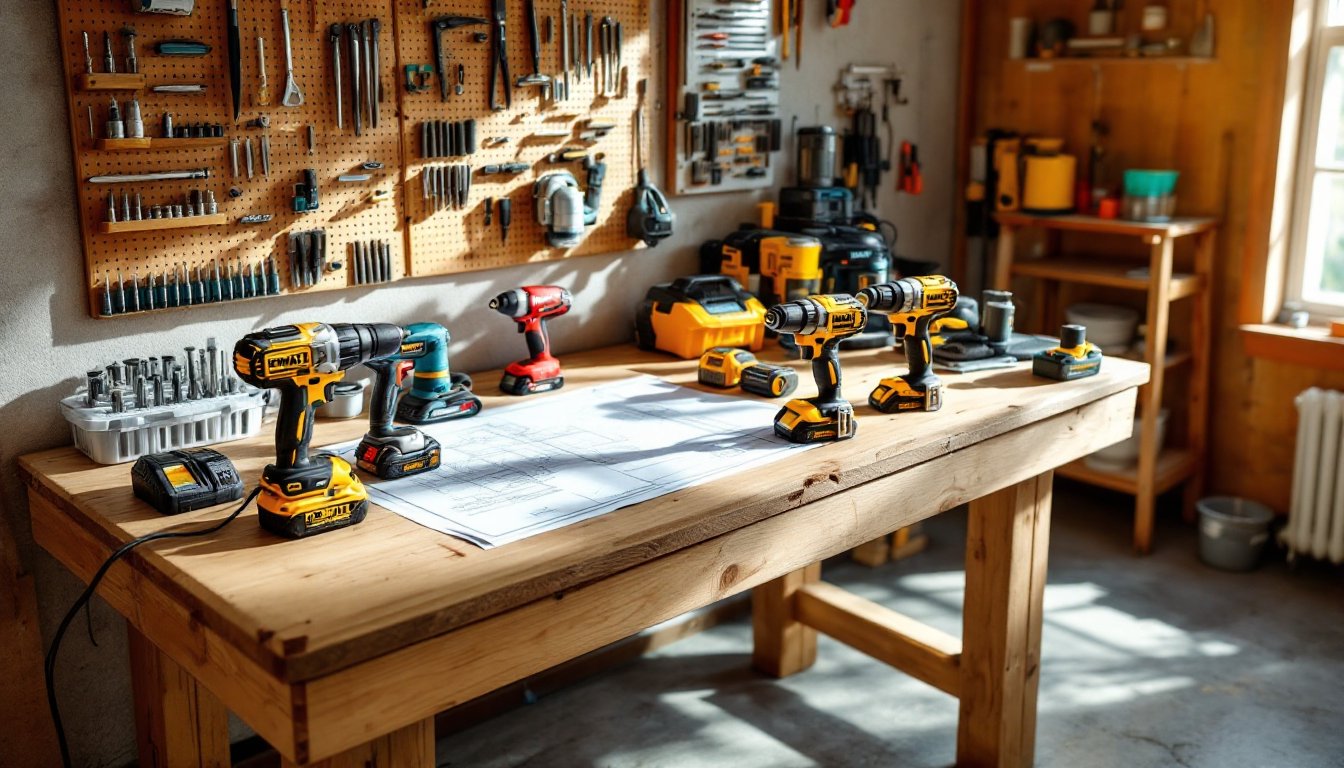
DeWalt owns a solid chunk of the market for a reason: they’ve been around since 1923 and they’ve earned their reputation through consistency. Their yellow and black tools show up on job sites everywhere, from residential framing to commercial construction, which tells you something about durability under real-world abuse.
The DeWalt 20V MAX lineup dominates the DIY and pro-am space. Their compact drill-drivers are light enough for overhead work without sacrificing power, and their circular saws cut straight lines with minimal binding. One standout feature: their batteries charge quickly and hold charge well, even after months of storage. The downside? DeWalt tools tend toward the pricier end, especially when you’re buying into the full ecosystem. A bare drill might run $100–$120, while a combo kit with two batteries and a charger pushes $300+. For someone just starting out, that’s a big commitment. But, resale value remains strong, and reliability rarely disappoints. If you’re serious about building a workshop with tools that’ll outlast trends, DeWalt remains a solid anchor. Many professionals swear by their impact drivers and reciprocating saws for demo work and rough framing.
Makita: Japanese Precision Engineering for Serious DIYers
Makita brings Japanese manufacturing discipline to power tools, and that approach pays dividends in precision and motor efficiency. Their gear design is meticulous, gears run quiet, transmit power smoothly, and rarely strip, even under sustained load. If you’ve ever used a Makita drill next to a cheaper competitor, you notice the difference immediately: less vibration, smoother power delivery, tighter tolerances.
Their 18V LXT battery platform rivals DeWalt’s in terms of tool variety and ecosystem depth. Makita’s cordless impact driver, for instance, delivers exceptional fastening speed with minimal recoil, making it ideal for driving 3-inch deck screws or lag bolts without tiring your wrist. Where Makita shines is in sanders, which matters if you’re doing fine woodworking or cabinet finishing. Their random-orbit sanders maintain consistent speed under load, producing a flawless surface finish. The trade-off is less aggressive marketing than DeWalt or Milwaukee, meaning you might not find Makita gear in every big-box store, you may need to hit specialty tool shops or online retailers. Pricing sits comfortably between budget brands and premium tiers, making them a smart choice for DIYers who prioritize precision over sheer ruggedness. Professionals in carpentry and cabinetry love Makita for this exact reason.
Milwaukee: Innovation Meets Durability
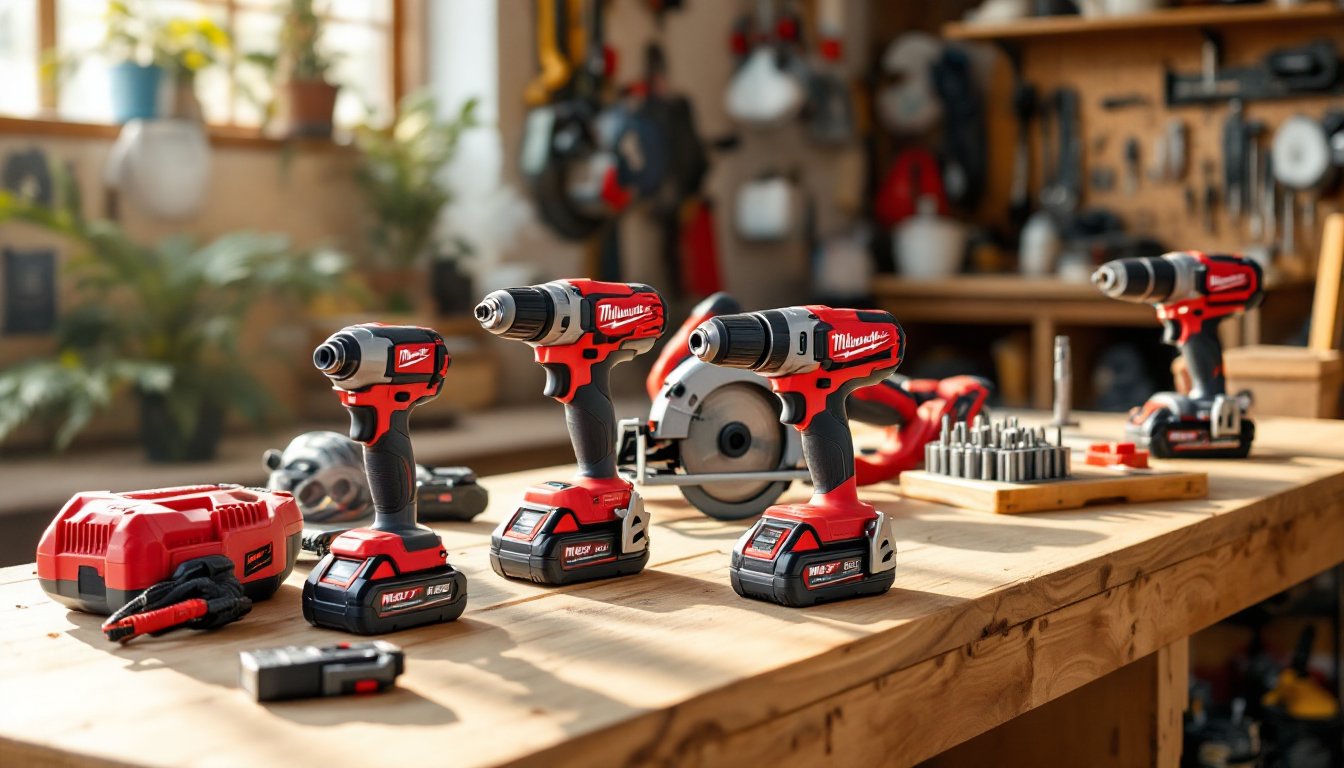
Milwaukee has exploded in market share over the past decade by putting R&D dollars into genuinely useful features. Their M18 battery platform now powers over 200 tools, and their cordless innovations often lead the industry. Want a cordless grinder that spins at full RPM without bogging down? Milwaukee made that happen before competitors caught up.
Their impact drivers are legendarily fast, perfect if you’re running heavy-duty fasteners all day. The M12 compact lineup serves DIYers well because the tools are smaller and lighter, ideal for cabinet work or tight spaces. Milwaukee’s cordless reciprocating saws cut through 2x studs and demolition work with impressive consistency, and their batteries recover quickly between cuts. Battery technology is where Milwaukee really flexes: their M18/M12 batteries charge fast, retain charge during storage, and work reliably in cold weather, which matters if your garage gets chilly. The ecosystem is robust, and you’ll find replacement parts easily. Downside: Milwaukee gear is pricey, and their aggressive feature-creep means some tools feel overengineered for casual DIY work. A basic drill-driver runs $150+, and combo kits push well past $400. That said, if you’re tackling renovation work or building something substantial, the productivity gains often justify the cost. Professional renovators and finish carpenters frequently choose Milwaukee for its speed and reliability.
Bosch: Precision Tools for Demanding Projects
Bosch occupies a middle ground between budget and premium, delivering solid engineering at reasonable prices. German manufacturing heritage means attention to detail in motor winding and bearing design. Bosch drills run smooth, their saws cut straight, and their orbital sanders produce finishes that rival much pricier competition.
Their Freak lineup deserves special mention, single-tool systems that swap bits instantly without changing chucks. If you’re doing finish work where you alternate between drilling pilot holes and driving fasteners repeatedly, this saves real time and reduces chuck slippage. Bosch’s lithium batteries are respectable, though not quite as quick-charging as Milwaukee’s: but, they’re priced lower, making the entry cost more palatable for budget-conscious DIYers. Where Bosch falters slightly is ecosystem depth, they offer fewer tool options than DeWalt or Milwaukee, so if you’re building a complete workshop, you might need to supplement with other brands. Parts availability is solid, and warranty coverage is standard. Bosch makes excellent choices for homeowners tackling renovation projects who value precision and want to avoid overpaying for features they won’t use. Finish carpenters often favor Bosch sanders and biscuit joiners for cabinet work.
Choosing the Right Brand for Your Needs
Your needs and budget should drive the decision more than brand loyalty. Ask yourself: Are you a weekend warrior tackling one-off projects, or are you building a permanent workshop? A casual homeowner hanging shelves and assembling furniture doesn’t need the same tool investment as someone building a deck or running demo work.
Start with a drill-driver. It’s your gateway tool, versatile, used often, and worth buying quality. A mid-tier brand drill (Bosch or Makita) runs $80–$130 for a bare tool and serves 90% of homeowner needs. Once you’ve settled on a brand’s battery ecosystem, stay with it because swapping platforms costs money. Next, add a circular saw if you’re cutting lumber, or a reciprocating saw if demo work is coming. Budget another $100–$150 for that tool. Don’t buy a complete 100-piece combo pack upfront: you’ll end up with junk tools you never use and ones you should’ve invested in quality versions. Instead, build your kit gradually. Research specific tools on Bob Vila or YouTube channels where pros actually test equipment. Read user reviews specifically mentioning long-term durability, not just initial impressions. Check whether your local tool rental shops stock the brand, if they don’t, parts and support might be harder to find. Finally, factor warranty and customer service into the decision. A brand that stands behind warranty claims matters more than a glossy product photo.
Conclusion
The best power tools brand is the one whose tools you’ll actually use and maintain for years. DeWalt delivers reliability and ecosystem depth, Makita brings precision engineering, Milwaukee innovates aggressively, and Bosch balances quality with reasonable cost. None of them are wrong, they’re just different tools for different situations. Buy based on your actual needs, not trends or marketing. A tool that runs smooth, charges reliably, and stays available for parts becomes an investment, not an expense.