
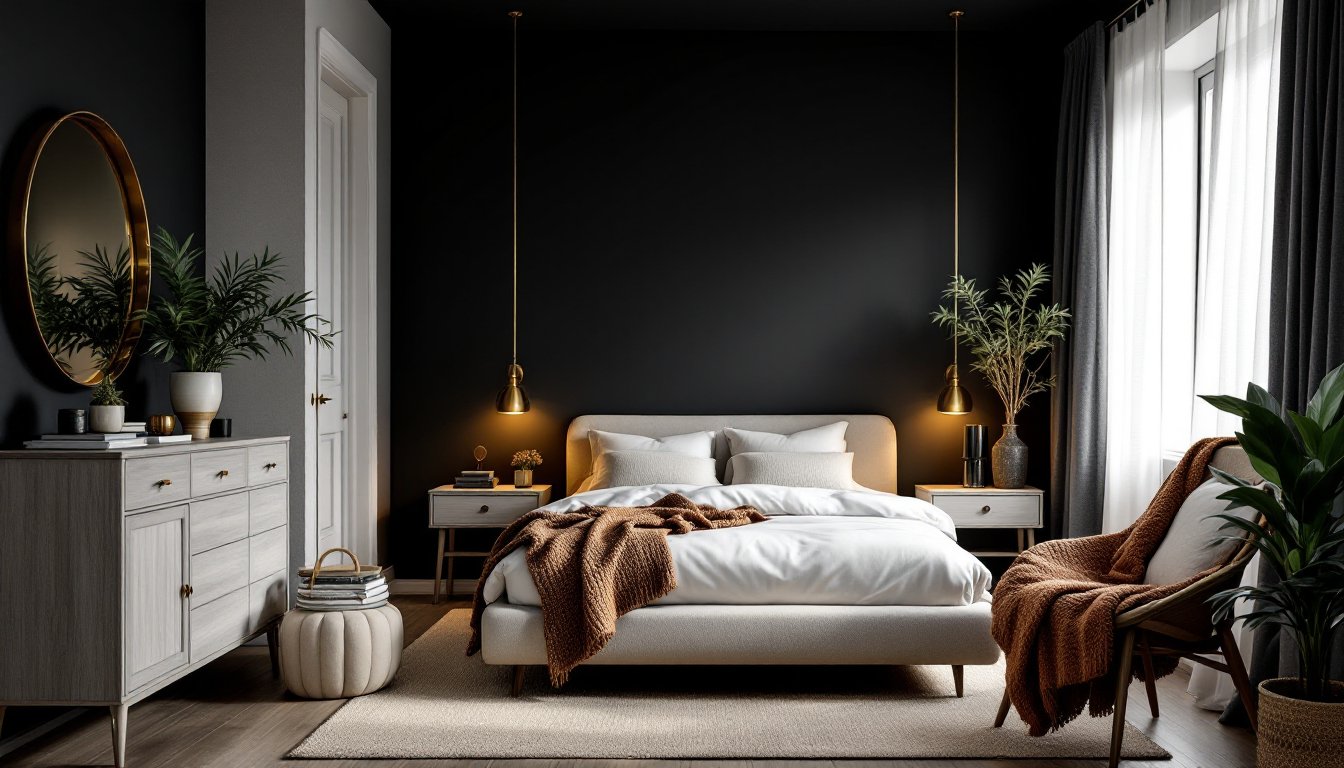
Black bedrooms don’t have to feel cramped or cave-like, especially in small rooms. When done right, black is a bold design choice that creates intimacy and elegance while making a compact space feel intentional rather than limited. The key is pairing black walls or accents with the right lighting, furniture placement, and complementary colors to keep the room breathing. This guide walks you through proven strategies for using black in small bedrooms without sacrificing comfort or visual openness.
Table of Contents
ToggleKey Takeaways
- Black bedroom ideas for small rooms work best when black walls make boundaries disappear, creating an illusion of depth rather than cramping the space.
- Layer three types of lighting—ambient, task, and accent—to prevent black bedrooms from feeling dark and to create zones of warmth and visual interest.
- Pair black walls with warm accent colors like soft gold, terracotta, or warm white through bedding, pillows, and mirrors to keep the room inviting and intentional.
- Choose light wood furniture or white-painted pieces with metallic accents to contrast against black and visually break up darkness without adding bulk.
- Use light-colored rugs, textiles, and reflective surfaces to add comfort and bounce light around the room, transforming black bedroom spaces into cozy, designed retreats.
Why Black Works In Small Bedrooms
Black might seem counterintuitive for small rooms, but it’s actually a designer’s secret weapon. A fully black room with dark walls makes the boundaries disappear, your eye doesn’t stop at a wall: it stops at the limit of light. This creates an illusion of depth that small rooms desperately need.
Black also absorbs light, which sounds limiting until you layer in strategic lighting. Lamps, sconces, and overhead fixtures then become sculptural elements that draw attention and create zones of warmth. The darkness recedes, and the light becomes the focal point.
Psychologically, black conveys calm and luxury. In a bedroom, a space where you sleep and recharge, that matters. Black reduces visual clutter and creates a cocoon-like atmosphere. Pair it with the right accent colors and textures, and you get a room that feels designed rather than dark.
Consider how small living rooms benefit from intentional color choices: bedrooms follow the same logic. The goal isn’t to maximize perceived size, it’s to make the space feel purposeful and restful.
Wall Paint And Accent Colors
Committing to black walls is bold, but the payoff is worth it. Use a high-quality matte black paint in a true black or near-black shade (avoid muddy charcoal for pure impact). Don’t skimp on primer: black paint requires 2–3 coats on most surfaces, and primer seals the substrate so you get even coverage.
You don’t have to paint all four walls black. Try an accent wall approach: paint the wall behind your bed in deep black and keep the adjacent walls neutral or soft gray. This anchors the room without overwhelming it. Alternatively, paint three walls black and one white or pale gray for visual relief and a modern edge.
Pair black with warm accent colors to keep the room inviting. Warm whites, soft golds, muted terracotta, or deep teal work beautifully against black. White bedding, a gold mirror frame, or rust-colored throw pillows introduce warmth without clashing. Avoid cool grays or stark whites directly adjacent to black: they can feel clinical.
Matte Vs. Glossy Finishes
Matte black paint is standard for bedrooms and absorbs light evenly, creating that depth we’re after. Glossy finishes reflect light and work better in bathrooms or kitchens where moisture matters. Eggshell or satin finishes (very subtle sheen) are a compromise, they’re durable and slightly easier to clean than matte while maintaining the sophisticated look.
For your bedroom, stick with matte or eggshell black. Matte hides imperfections and looks intentional. Apply paint in thin, even coats using a quality roller and brush to avoid lap marks, especially on dark colors where they’re visible. Resources like Young House Love’s paint tutorials offer step-by-step guidance if you’re new to rolling dark hues.
Furniture Selection And Layout
In a small black bedroom, furniture scale and placement are everything. Choose pieces that are proportional to the room, oversized dressers or bed frames will feel oppressive. Look for sleek, low-profile beds with minimal headboard or storage beds that pull double duty.
Light wood furniture (oak, birch, or ash) or white-painted pieces contrast beautifully against black walls and visually break up the darkness. Metallic accents, brushed brass, chrome, or black steel, add sophistication without adding bulk. A simple floating nightstand or wall-mounted shelves keep the floor open, which is crucial in small rooms.
Arrange furniture to create flow. Position the bed against the darkest wall (usually the accent wall) and leave the space near the entry relatively open. A small dresser at the foot of the bed or under a window works better than pushing it into a corner. If you need storage, vertical solutions like tall bookcases or wall-mounted cabinets make better use of limited square footage than wide, squat pieces.
Consider bed size carefully. A queen might feel cramped in a very small bedroom: a full or even a twin with a reading chair might serve you better. The goal is moving freely in the room, not maximizing bed size. Resources like IKEA Hackers frequently showcase space-saving bed solutions and multipurpose furniture perfect for dark rooms.
Lighting Strategies For Dark Spaces
Lighting is non-negotiable in a black bedroom. Without it, you have a dark room, not a designed space. Layer three types of lighting: ambient (overhead), task (reading), and accent (mood).
Ambient lighting: Install a dimmable ceiling fixture, this gives you flexibility for different times of day and moods. A modern flush-mount or semi-flush with brushed brass or matte black finish won’t feel dated. Aim for at least 60–100 lumens per square foot in a bedroom: dimmers let you dial it back for relaxation.
Task lighting: Bedside lamps are essential. Choose tall table lamps (24–28 inches) with warm bulbs (2700K color temperature) that sit at eye level when you’re in bed. Wall-mounted sconces flanking the bed free up nightstand space in small rooms. Ensure switches are within arm’s reach of the bed.
Accent lighting: String lights, under-cabinet lighting on shelves, or a small uplighter in a corner add depth and warmth. These don’t need to be bright, they create visual interest and prevent the room from feeling like a dark theater.
Use LED bulbs throughout: they’re efficient, run cool, and come in warm tones that complement black beautifully. Avoid bare bulbs or harsh cool-toned light: they’ll fight the cozy atmosphere black creates.
Apart from lights, reflective surfaces help. A large mirror opposite a light source bounces illumination around the room. Shiny nightstands, a glass shelf, or metallic accents all contribute. Small living rooms benefit from the same reflective strategy.
Textiles And Soft Furnishings
Textiles save a black bedroom from feeling cold and sterile. Layer bedding, throws, and rugs to add warmth and break up the darkness.
Bedding: White, cream, or soft gray sheets create a striking contrast with black walls, and they’re practical (stains and wear show less than dark linens, ironically). Add texture with a chunky knit throw, a quilted duvet cover, or layered pillows in various heights. Mix matte and slightly textured fabrics to catch light and add dimension.
Rugs: A rug anchors the bed and adds softness underfoot. Light-colored rugs (cream, pale gray, or natural jute) contrast with black walls and make the floor visually expand. Avoid dark rugs that blend into black walls: you want definition. Aim for a rug that extends 2–3 feet on either side of the bed.
Curtains and window treatments: Blackout curtains in deep gray or charcoal are practical for sleep (bedrooms need darkness to function properly) and won’t disappear into black walls. Sheer overlays in white or cream let you control light without closing yourself off entirely. Roman shades or simple rods with minimal hardware suit black rooms.
Accessories: Throw pillows in warm tones, gold, rust, terracotta, or warm white, add personality and comfort. A chunky woven blanket draped over a chair or footboard introduces texture without clutter. Plants also work beautifully in black bedrooms: green foliage stands out and softens the overall effect.
Designers on Apartment Therapy frequently showcase how textiles transform dark spaces, proving that black rooms are just as inviting as lighter ones when fabrics are chosen thoughtfully.
Conclusion
A black bedroom in a small room is achievable and stunning when lighting, furniture, and textiles work together. Start with one accent wall if you’re hesitant, layer in warm lighting, choose furniture to scale, and use soft furnishings to create comfort. Black doesn’t shrink your space, it redefines it. The room becomes intimate, intentional, and undeniably stylish.